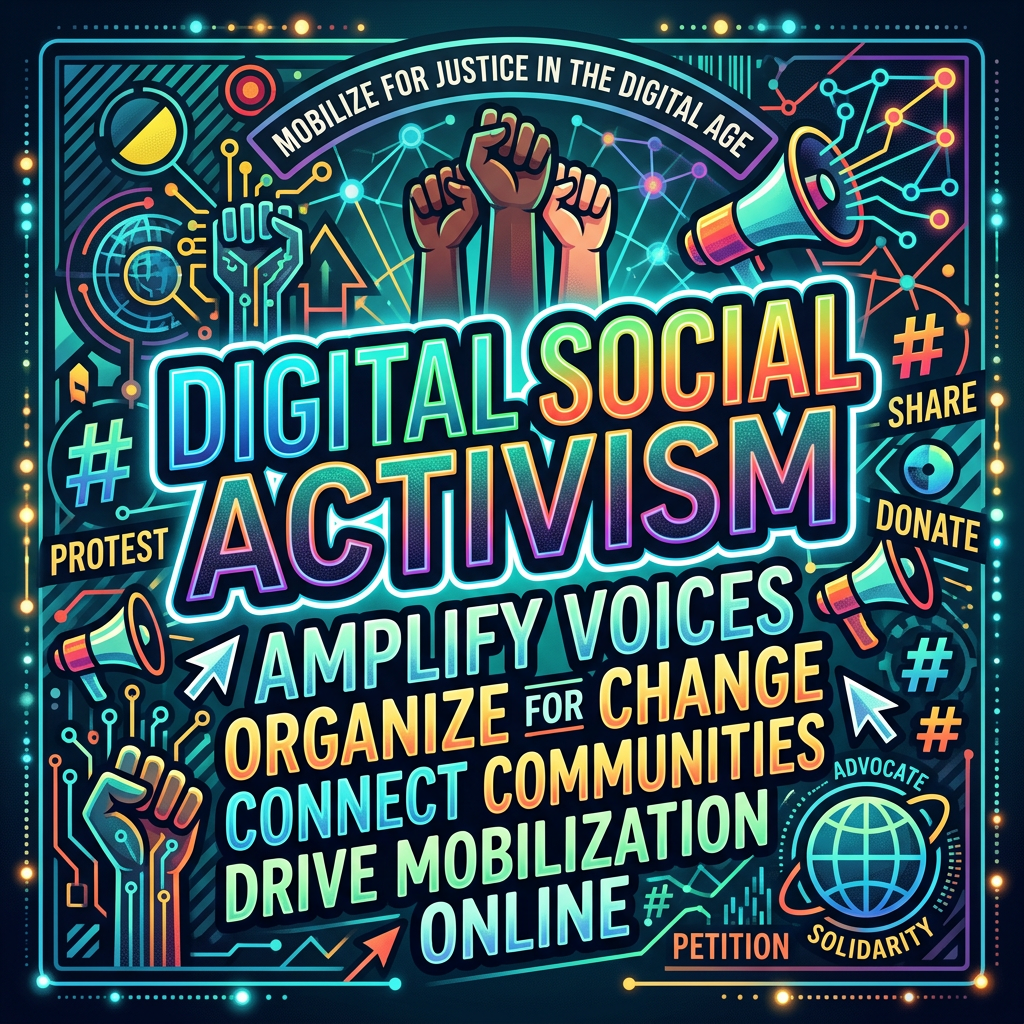
Black Lives Matter in the Digital Age
The Black Lives Matter movement is one of the most impactful examples of modern digital activism. Its core goal is to address systemic racism, police brutality, and inequality affecting Black communities. While it started in 2013, it gained massive global attention in 2020 after the death of George Floyd. The movement pushed for accountability in policing, policy reform, and broader social justice changes.
A major strength of Black Lives Matter has been its use of digital platforms to engage audiences. Social media apps like Instagram, Twitter, and TikTok played a central role in spreading awareness. Hashtags, viral videos, and user-generated content allowed information to circulate rapidly. The video of George Floyd’s death, shared widely online, sparked immediate outrage and mobilized protests across the United States and globally. These platforms also helped organize protests, share resources, and educate people on issues related to racial injustice.
In terms of effectiveness, the movement achieved significant visibility and engagement. Millions of people participated in protests worldwide, making it one of the largest social movements in recent history. It also influenced public discourse, forcing conversations about race, policing, and inequality into the mainstream. Some policy changes followed, such as local police reforms and increased corporate commitments to diversity and inclusion. Additionally, many organizations and institutions publicly acknowledged systemic racism, which marked a shift in how these issues are addressed publicly.
However, the movement also faced challenges and limitations. One major issue was misinformation and the spread of unverified content online, which sometimes distracted from the movement’s core message. There was also criticism of performative activism, where individuals or companies showed support online without making meaningful changes. Another limitation is that while awareness increased, long-term systemic change has been slower and uneven. Policy reform varies widely by location, and not all demands of the movement have been fully realized.
Overall, Black Lives Matter demonstrates both the power and complexity of digital activism. It shows how social media can amplify voices and drive global engagement, while also highlighting the need for sustained action beyond online platforms.
Part II:
Campaign Title: “#Own Your Data”
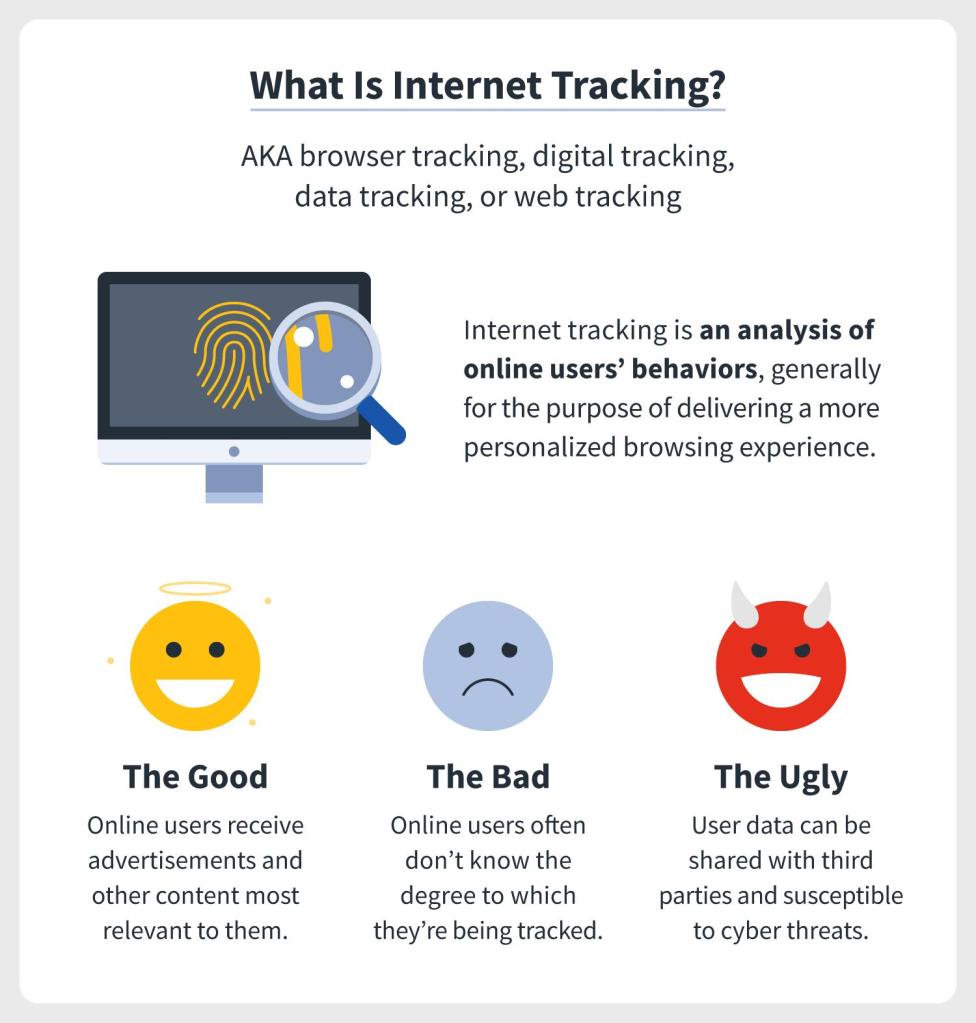
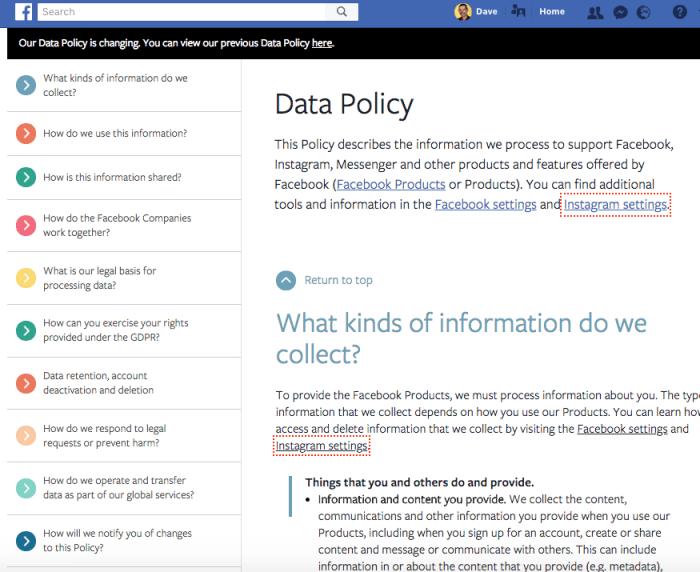
The “Own Your Data” campaign is focused on raising awareness around digital privacy and helping everyday people better understand how their personal data is collected, used, and shared online. The goal is simple: educate users, empower them to take control of their data, and push for more transparency from companies. A lot of people don’t realize how much of their information is being tracked, so this campaign is about making that visible and actionable.
The target audience is everyday digital users between 18 and 45 who are active online but may not fully understand privacy risks. This includes professionals, students, and content creators who regularly use platforms like Instagram, TikTok, and YouTube. These platforms are ideal because they prioritize visual and short-form content, which makes it easier to break down complex topics like data privacy into digestible pieces.
The creative strategy centers around making privacy relatable and easy to understand. The campaign will use the hashtag #OwnYourData to unify content and encourage participation. Short videos will show “day in the life” scenarios where users unknowingly give away personal data, followed by quick tips on how to protect themselves. Infographics will highlight facts like how apps track behavior or how permissions work. Interactive polls and quizzes will also be used to test knowledge and keep people engaged. Another key piece will be “privacy check challenges,” where users are encouraged to review their app settings and share their progress.
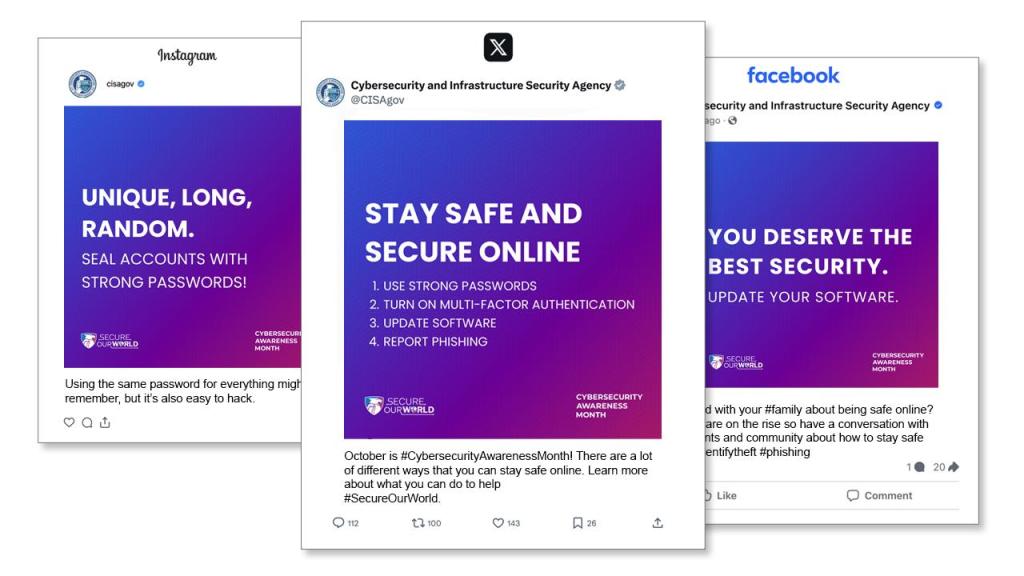
To measure success, the campaign will track engagement metrics like shares, comments, and saves across platforms. Hashtag usage will be a key indicator of reach and participation. Video completion rates will help determine how effective the content is at holding attention, while click-through rates on linked resources will show whether users are taking action. Longer term, success can also be measured by increased awareness, such as more conversations around privacy and more users actively adjusting their settings.
Overall, this campaign is about turning awareness into action. It’s not just about telling people their data matters, it’s about showing them how to take control in a way that feels simple, relevant, and part of their everyday digital life.
 Corey Daniels' Blog
Leave a comment